

America’s supply chain is under attack.
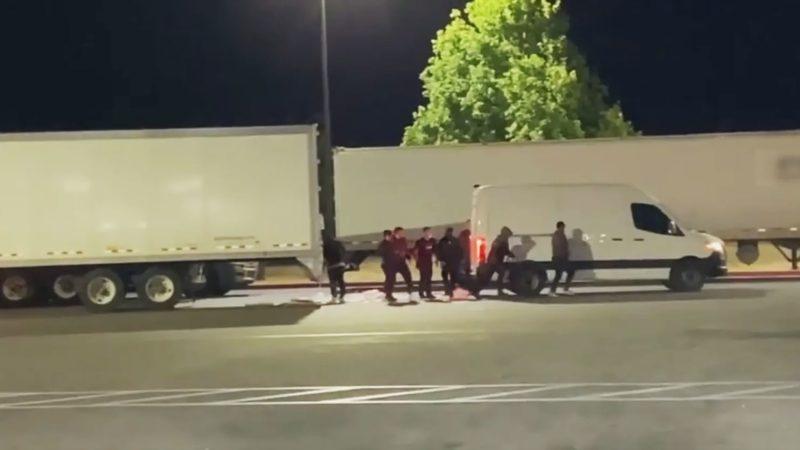
From coast to coast, organized criminal groups are hitting trucks on the road, breaking into warehouses and pilfering expensive items from train cars, according to industry experts and law enforcement officials CNBC interviewed during a six-month investigation.
It’s all part of a record surge in cargo theft in which criminal networks in the U.S. and abroad exploit technology intended to improve supply chain efficiency and use it to steal truckloads of valuable products. Armed with doctored invoices, the fraudsters impersonate the staff of legitimate companies in order to divert cargo into the hands of criminals.
The widespread scheme is “low risk and a very high reward,” according to Keith Lewis, vice president of Verisk CargoNet, which tracks theft trends in the industry.
“The return on investment is almost 100%,” he said. “And if there’s no risk of getting caught, why not do it better and do it faster?”
In 2024, Verisk CargoNet recorded 3,798 incidents of cargo theft, representing a 26% increase over 2023.
Total reported losses topped nearly $455 million, according to Verisk CargoNet, but industry experts told CNBC that number is likely lower than the true toll because many cases go unreported. Numerous experts who spoke to CNBC estimate losses are close to $1 billion or more a year.
Train cargo thefts alone shot up about 40% in 2024, with more than 65,000 reported incidents, according to the Association of American Railroads.
Industry experts and law enforcement officials say a more sophisticated and insidious form of cargo theft called strategic theft is also on the rise.
The way the system is supposed to work is this: A shipper pays a broker, and the broker, after taking its fee, pays the carrier, the trucking company that moves the load.
In strategic theft, criminals use deceptive tactics to trick shippers, brokers or carriers into handing cargo or legitimate payments, sometimes both, over to them instead of the legitimate companies.